Columbus Attorney Explains How Tire Defects Cause Catastrophic Traffic Injuries
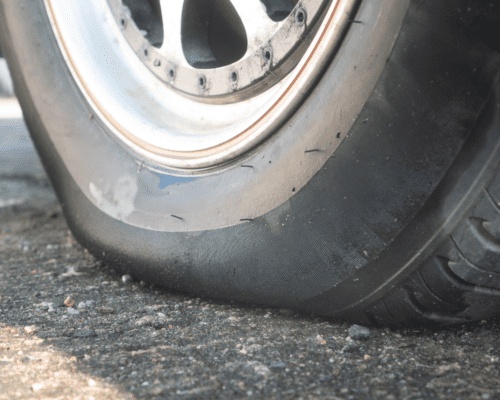
It’s natural to assume that your tires are safe from the moment you buy them. But every year countless drivers and their passengers across the country are injured by devastating crashes that are caused by defective tires.
The Columbus tire defect accident lawyers at Butler Prather LLP have seen firsthand how vehicle defects can change lives. For over 35 years, our firm has been at the forefront of helping seriously injured people pursue full compensation and holding large corporations accountable when dangerous products harm the public.
Why Tire Defects Are So Dangerous
Tires are the only part of a vehicle that makes direct contact with the road. When a tire fails, drivers can instantly lose control. Defective tires are especially dangerous when a vehicle is traveling at highway speeds. Unlike many other types of vehicle issues, tire failure can happen suddenly and without warning. A blowout or separation can cause:
- Sudden swerving or spinning
- Vehicle rollovers
- Loss of braking or steering control
- Multi-vehicle collisions
Tire Defects That Cause Catastrophic Accidents
Recognizing the dangers associated with tire defects is an important step in preventing devastating accidents.
Tread/Belt Separation
Tread/Belt Separation accidents occur when the outer rubber layer detaches from the steel belts beneath it. These failures may result from poor bonding during manufacturing or design flaws that create tires that cannot withstand heat and stress over time.
Tread/Belt Separation accidents may cause:
- Sudden flapping or whipping of the tire
- Immediate instability
- Loss of traction
Sidewall Failure
The sidewall of a tire is designed to absorb impact and maintain structure. When it fails, the tire can collapse without warning. This may lead to rapid air loss and instant blowouts, making it nearly impossible for drivers to maintain control.
Sidewall failure may be the result of:
- Weak rubber compounds
- Manufacturing defects
- Undetected internal damage
Tire Bead Failure
The bead is the part of the tire that seals it against the wheel rim. When a bead fails, the tire may slip off the rim or lose pressure quickly, especially during turns or sudden maneuvers.
Bead failures liability claims and lawsuits may involve:
- Improper design specifications
- Weak materials
- Faulty manufacturing processes
Internal Contamination
Internal contamination occurs when foreign materials such as dust, moisture, or debris become trapped inside the tire during manufacturing. Because these defects are hidden, drivers may not have any warning before a catastrophic failure.
Internal contamination can:
- Prevent proper bonding of components
- Weaken structural integrity
- Lead to premature failure under stress
Improper Tire Curing
Tires must go through a precise heating process called curing. If this process is rushed or improperly executed, the tire may not achieve the necessary strength. Improperly cured tires are more likely to fail during long drives or when the temperature rises.
Improper curing may may occur when:
- The tire’s rubber does not fully bond
- Structural weaknesses develop
- Heat resistance is compromised
Misplaced or Weak Tire Components
Tires are made up of multiple layers and components that must be precisely aligned. Even small misalignments during manufacturing can create dangerous conditions. Misplaced or weak tire components can lead to:
- Uneven wear
- Structural imbalance
- Increased risk of separation or blowout
How Tire Defects Develop
Tire defects generally fall into two categories, manufacturing defects and design defects.
Manufacturing Defects
Manufacturing defects occur during production and may include:
- Poor bonding of materials
- Contamination during assembly
- Incorrect curing temperatures
Design Defects
Design defects involve flaws in the tire’s design itself, such as:
- Weak structural layouts
- Inadequate materials for intended use
- Failure to account for heat or load conditions
Georgia Product Liability Law: Who Is Responsible?
In Georgia, injured victims may be able to pursue claims under product liability law, which holds manufacturers and others accountable for defective products.
Liability parties may include:
- Tire manufacturers
- Distributors or retailers
- Vehicle manufacturers (if the tire was original equipment)
What Must Be Proven in a Successful Columbus Tire Defect Claim or Lawsuit
To pursue a claim, injured individuals typically must show:
- The tire had a defect
- The defect existed when it left the manufacturer
- The defect caused the accident and resulting injuries
How a Product Liability Attorney in Georgia Can Prove That a Tire Was Defective
At Butler Prather LLP, our Columbus auto defect lawyers work with engineers and industry professionals to build strong cases by uncovering what went wrong. This process may include:
- Accident reconstruction
- Tire failure analysis
- Expert testimony
- Cases involving product recalls
Compensation That May Be Available
Victims of tire defect accidents may be able to recover compensation for:
- Medical expenses
- Lost income
- Pain and suffering
- Long-term care needs
- Property damage
In tragic cases that lead to fatality, families may pursue a wrongful death claim.
Speak With a Trusted Columbus GA Tire Defect Attorney Today
If you or a loved one has been injured in an accident involving a defective tire or a tire that has been recalled, you don’t have to face the legal process alone. Since 1988, Butler Prather LLP has been successfully handling high-stakes cases in Georgia and across the nation, winning landmark verdicts and giving everyday people the power to take on powerful corporations. With have won several verdicts exceeding $100 million.
Call (706) 322-1990 for a free consultation.
Frequently Asked Questions: How Tire Defects Cause Traffic Injuries
What are the most common tire defects that cause accidents?
Some of the most common tire defects include tread separation, sidewall failures, bead failures, internal contamination, improper curing, and misplaced or weak tire components. These defects frequently originate during manufacturing or the design process. They may cause sudden tire failure, leading to serious crashes.
How do Tread/Belt Separation accidents happen?
Tread/Belt Separation accidents occur when the outer tread of a tire detaches from the internal steel belts. This can happen due to poor bonding during production or structural design flaws. When separation occurs, the tire can lose stability quickly, causing the driver to lose control of the vehicle.
What causes tire sidewall failure?
Sidewall failure results when the sidewall weakens due to manufacturing defects, poor materials, or internal damage. Because the sidewall supports the tire’s structure, failure can lead to a rapid blowout, often without warning, especially at higher speeds.
What is an internal contamination tire defect?
An internal contamination tire defect occurs when foreign materials like moisture, dust, or debris become trapped inside the tire during manufacturing. This can weaken the tire’s structure and lead to premature failure, often without visible warning signs.