Columbus Injury Lawyer Discusses Pickup Truck Roof Crush Resistance and Federal Safety Standards
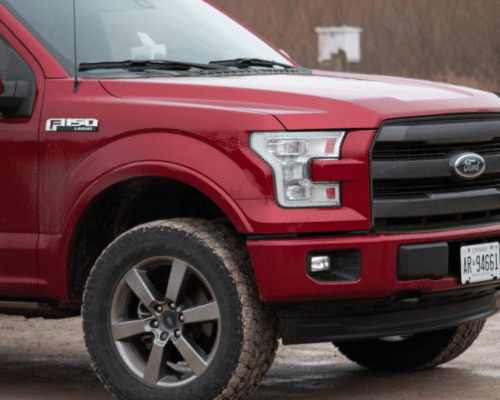
When a rollover crash occurs, the strength of a pickup truck’s roof becomes a major factor in determining if occupants will suffer fatalities or catastrophic injury. To protect drivers and passengers, manufacturers have a duty to design and create reasonably safe products.
The Columbus roof crush injury lawyers at Butler Prather LLP have extensive experience handling complex vehicle defect cases involving structural failures, including landmark verdicts against Ford Motor Company for defective roofs in Super Duty trucks that caused devastating injuries and fatalities.
For more than 35 years, we have helped accident victims hold manufacturers accountable when unsafe design and poor manufacturing processes lead to devastating harm. Our firm has played a significant role in increasing vehicle safety.
Why Roof Strength Matters in Pickup Truck Accidents
Pickup trucks are generally more prone to rollovers than passenger vehicles due to their higher center of gravity. When a rollover occurs, the roof must maintain enough structural integrity to protect occupants.
If the roof collapses, it can cause:
- Severe spinal cord injuries
- Traumatic brain injuries (TBIs)
- Injuries to the chest or neck
- Bone fractures
- Amputation
- Internal organ failure
- Fatalities
Federal Safety Standards for Vehicle Roofs
The federal government regulates vehicle safety through the National Highway Traffic Safety Administration (NHTSA). One key area of regulation involves federal safety standards on vehicle roofs, specifically:
- FMVSS 216 (original standard)
- FMVSS 216a (updated and expanded standard)
These rules establish minimum requirements for roof strength in passenger vehicles, including many pickup trucks.
What Is FMVSS 216?
FMVSS 216 was the original federal rule governing roof crush resistance. It applied to:
- Passenger cars
- Light trucks (including many pickups)
- Vehicles with a gross vehicle weight rating (GVWR) of 6,000 pounds or less
Under FMVSS 216, a vehicle’s roof had to withstand a force equal to 1.5 times the vehicle’s weight without excessive deformation. Critics argued it did not go far enough to protect occupants in real-world rollover crashes.
How FMVSS 216a Updated Roof Crush Requirements
FMVSS 216a was published as a final rule by NHTSA in 2009. The upgraded safety standard established a new two-sided roof testing requirement, with phase-in compliance starting in 2012, and full implementation to be completed by 2017. To improve safety, regulators expanded both coverage and strength expectations. FMVSS 216a applies to:
- Vehicles up to 10,000 pounds GVWR
- Many larger pickup trucks and SUVs previously excluded
The updated rule requires:
- A strength-to-weight ratio of 3.0 for most vehicles
- Separate testing for both sides of the roof
What Is a Roof Crush Safety Test?
Roof crush safety tests involve applying force to the roof structure in a controlled environment. The goal is to ensure the roof maintains enough survival space for occupants during a rollover.
Here’s how it works:
- A rigid metal plate is angled and pressed against one side of the vehicle’s roof
- Force is applied gradually
- The amount of force and resulting deformation are measured
- The test continues until a specific force threshold is reached
Key metrics that investigators are looking at include:
- Strength-to-weight ratio: The force applied compared to vehicle weight
- Maximum allowable roof deformation: How much the roof can compress
Common Roof Failure Points in Pickup Trucks
Even when vehicles meet minimum standards, failures can still occur due to design or manufacturing issues. When these areas fail, the roof can collapse inward, increasing the risk of severe injury.
Common weak points include:
- A-pillars (front roof supports)
- Roof rails
- Spot welds and joints
- Thin or low-grade steel components
How Roof Collapse Leads to Serious Injuries
In a rollover crash, the roof is subjected to extreme forces. If it cannot withstand those forces:
- The occupant compartment may collapse
- Seat belts and airbags may become less effective
- Occupants may be partially ejected or crushed
Why Federal Standards Matter in Catastrophic Injury Cases
Federal standards provide a baseline of safety, but not a guarantee. In legal cases, these standards help investigators answer essential questions:
- Did the vehicle meet minimum safety requirements?
- Was the design adequate for real-world conditions?
- Could a safer design have prevented the injuries?
Manufacturer Liability in Columbus Roof Crush Cases
Even if a manufacturer complied with FMVSS 216a roof crush requirements, that does not automatically mean the vehicle was safe. Vehicle manufacturers have a duty to design reasonably safe products. When they fail to do so, they may be held accountable under manufacturer liability principles.
Defective Roof Design
A vehicle may have structural weaknesses that make it prone to collapse during a rollover.
Failure to Meet Federal Standards
If a vehicle does not meet pickup truck roof crush resistance standards, this can be strong evidence of a defect.
Negligent Testing
Manufacturers are expected to thoroughly test their vehicles. Inadequate or misleading testing may support a claim.
Safer Alternative Designs Were Available
Even if a vehicle meets minimum standards, manufacturers may still be responsible if:
- Stronger materials were available
- Reinforced designs were feasible
- Industry practices supported safer construction
Compliance Does Not Equal Safety
One of the most important legal concepts in these cases is that compliance with federal regulations does not automatically shield manufacturers from liability.
Courts recognize that:
- Federal standards are minimum requirements
- Real-world conditions may exceed test conditions
- Manufacturers can, and often should, go beyond baseline safety rules
How Attorneys Prove Roof Crush Claims
At Butler Prather LLP, building a strong case involves a detailed investigation and expert analysis. Key evidence may include:
- Crash reconstruction reports
- Engineering analysis of the roof structure
- Comparison to industry safety standards
- Testing data and internal manufacturer documents
Speak With an Experienced Columbus GA Truck Roof Crush Injury Lawyer
If you or a loved one has been injured or killed in a rollover accident involving roof failure, it is important to find a personal injury law firm that has the resources and experience to go up against the big automakers. The legal team at Butler Prather LLP is ready to evaluate your case and help you determine whether a defect may have contributed to your injuries.
Butler Prather LLP has been holding vehicle manufacturers accountable for negligent practices since 1988. We have an unmatched record of prevailing in complex product liability cases in Georgia and across the nation and we have won several verdicts exceeding $100 million.
Call (706) 322-1990 to schedule a free consultation today.
Frequently Asked Questions: Pickup Truck Roof Crush Resistance and Federal Safety Standards
What are pickup truck roof crush resistance standards?
Federal safety requirements determine how much force a vehicle’s roof must withstand during a rollover. These standards are designed to preserve occupant survival space and reduce the risk of serious injuries when a vehicle flips or rolls over.
What are FMVSS 216a roof crush requirements?
FMVSS 216a roof crush requirements are updated federal regulations that require vehicle roofs to withstand a force equal to at least three times the vehicle’s weight. These rules apply to a broader range of vehicles, including many larger pickup trucks, and they require testing on both sides of the roof for improved safety.
How does the pickup truck rollover roof strength test work?
The pickup truck rollover roof strength test involves applying force to one side of the roof using a metal plate at a specific angle. The test measures how much force the roof can withstand before it deforms beyond acceptable limits, helping determine whether it meets federal safety standards.
Can a manufacturer still be liable if the vehicle meets federal safety standards for vehicle roofs?
Yes. Meeting federal safety standards does not automatically protect a manufacturer from liability. If the roof fails in a real-world crash, the manufacturer may be subject to vehicle defect claims and lawsuits.
When do truck roof failure injury claims come into play?
Truck roof failure injury claims typically arise when a pickup truck’s roof collapses during a rollover, causing serious injuries such as spinal damage or fatalities. These claims focus on whether the roof design was defective, or if the roof failed to provide adequate protection under crash conditions.