
Could Proper Safety Equipment Have Prevented My Construction Fall?
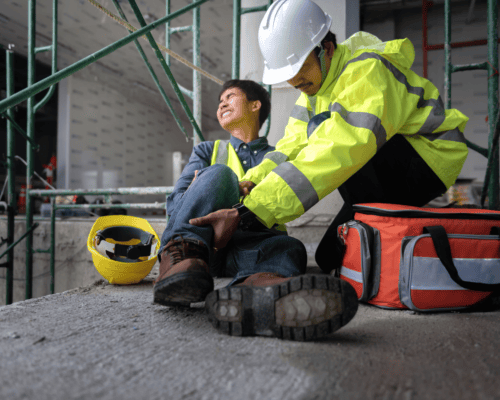
Despite advances in safety technology and strict workplace regulations, falls remain one of the leading causes of serious injuries and deaths in the construction industry. In many cases, workers suffer devastating injuries because proper fall protection equipment was missing, defective, improperly installed, or never provided at all.
When a construction worker falls because of inadequate safety measures, multiple parties may bear responsibility. An injured worker may be entitled to receive workers’ compensation benefits. You may also have the right to pursue a third-party construction injury claim against a negligent contractor, subcontractor, property owner, or equipment manufacturer.
The experienced Atlanta construction accident lawyers at Butler Prather LLP can review your claim and advise you about your options for pursuing maximum compensation after an accident occurs
Why Falls Are So Common on Construction Sites
Construction workers routinely perform duties at elevated heights. Whether working on scaffolding, ladders, roofs, steel structures, or elevated platforms, employees face significant fall hazards every day.
According to workplace safety data, falls remain one of the leading causes of injuries and fatalities in the construction industry. Fall-related accidents frequently result in catastrophic injuries that permanently affect the worker’s ability to work and enjoy life.
Common construction fall injuries include:
- Traumatic brain injuries
- Spinal cord injuries
- Paralysis
- Broken bones
- Internal organ damage
- Severe neck injuries
- Amputations
- Wrongful death
What Type of Fall Protection Is Required by OSHA
The Occupational Safety and Health Administration (OSHA) establishes safety standards designed to protect construction workers from fall hazards. OSHA generally requires employers to provide fall protection when workers are exposed to elevations of six feet or more above a lower level. The specific requirements may vary depending on the type of work being performed.
Common fall protection systems include:
- Personal fall arrest systems
- Safety harnesses
- Lifelines
- Guardrails
- Safety nets
- Warning line systems
- Controlled access zones
- Scaffold protection systems
Employers are also responsible for ensuring that workers receive proper training regarding fall hazards and the use of protective equipment. When these requirements are ignored, serious accidents can occur.
OSHA Fall Protection Violations
Many construction site accidents involve OSHA fall protection violations that create unnecessary dangers for workers. When these violations occur, injured workers may have legal options beyond traditional workers’ compensation claims.
Some of the most common examples include:
- Failure to Provide Safety Harnesses. Workers performing elevated tasks may not receive appropriate harnesses or fall arrest equipment.
- Improperly Installed Fall Arrest Systems. Even when equipment is available, improper installation can make the system ineffective during a fall.
- Missing Guardrails. Open-sided floors, platforms, and elevated walkways often require guardrails to prevent accidental falls.
- Inadequate Training. Workers must understand how to properly use fall protection equipment and recognize workplace hazards.
- Defective Safety Equipment. Faulty harnesses, anchors, lanyards, and lifelines may fail when workers need them most.
- Unsafe Scaffolding. Scaffolds must be properly constructed, inspected, and maintained to ensure worker safety.
How Inadequate Fall Protection Leads to Serious Injuries
Construction workers often rely on employers, contractors, and site supervisors to maintain safe working conditions. When proper safety systems are not in place, construction workers can suffer serious falls from scaffolding, roofs, ladders, elevated platforms, steel structures, building frameworks, and temporary walkways.
These accidents often result in severe injuries that could potentially have been prevented through adequate fall protection equipment and compliance with workplace safety requirements.
Determining whether inadequate fall protection contributed to a construction accident often requires a detailed investigation of the worksite, equipment, safety protocols, and applicable OSHA standards.
Workers’ Compensation Benefits After a Construction Fall
Most injured construction workers in Georgia are eligible for workers’ compensation benefits if their injuries occurred during employment.
Workers’ compensation may provide:
- Medical treatment
- Hospital expenses
- Physical therapy
- Rehabilitation costs
- Partial wage replacement
- Disability benefits
Seeking Additional Compensation with a Third-Party Claim
A third-party construction injury claim may arise when someone other than the injured worker’s employer contributed to the accident. A skilled construction accident lawyer can determine whether additional claims may exist beyond workers’ compensation.
Unlike workers’ compensation claims, third-party lawsuits may allow injured workers to recover a broader range of damages, including pain and suffering, emotional distress, and loss of enjoyment of life. They may also provide compensation for the full amount of lost wages, future lost earning capacity, and permanent disability resulting from the accident.
Liable third parties may include:
- General contractors
- Subcontractors
- Property owners
- Equipment manufacturers
- Scaffold companies
- Equipment rental providers
- Architects
- Engineers
Scaffold Fall Accidents and Third-Party Liability
A scaffold fall accident is one of the most common types of construction site injuries. These cases often require extensive investigation and expert analysis.
Scaffold accidents may occur because of:
- Improper assembly
- Missing guardrails
- Structural failures
- Defective components
- Inadequate inspections
- Overloading
How a Construction Fall Injury Attorney Builds a Case
Successful construction accident claims often depend on evidence gathered immediately after the incident. Attorneys may work with engineers, workplace safety experts, and accident reconstruction specialists to identify the causes of a fall and determine who may be responsible.
A construction injury attorney can investigate:
- OSHA reports
- Safety inspection records
- Training records
- Witness statements
- Incident reports
- Photographs and videos
- Equipment maintenance records
- Employment records
- Medical documentation
Speak With a Trusted Atlanta Construction Accident Attorney
If you believe inadequate fall protection contributed to your injuries, contact Butler Prather LLP today. Whether your accident involved missing safety equipment, defective fall protection systems, OSHA violations, or a scaffold fall accident, you may have important legal rights.
Since 1988, Butler Prather LLP has been representing injured individuals and families in high-stakes personal injury cases. We’ve won multiple verdicts exceeding $100 million. Our attorneys have been recognized by Super Lawyers since 2003 based on peer reviews and independent research, demonstrating longstanding respect within the legal community.
We offer free consultations, and we can help you understand whether you may have a valid construction fall protection injury claim, an inadequate fall protection lawsuit, or a third-party construction injury claim.
Call (404) 321-1700 or (800) 242-2962 to learn more!
FAQs About Proper Construction Site Fall Protection
Can I file a claim if I fell because I was not provided with proper safety equipment?
If your injuries resulted from missing, defective, or improperly used fall protection equipment, you may have grounds for a workers’ compensation claim and, in some cases, additional legal claims against responsible third parties.
What are some common examples of OSHA fall protection violations?
Common OSHA fall protection violations include failing to provide safety harnesses, missing guardrails, inadequate worker training, improperly installed fall arrest systems, and allowing workers to operate at dangerous heights without appropriate protection.
Can I receive workers’ compensation benefits after a construction fall?
If you were injured while performing job-related duties, you may be eligible for workers’ compensation benefits. These benefits may cover medical expenses, rehabilitation costs, and a portion of your lost wages while you recover.
What is a third-party construction injury claim?
A third-party construction injury claim is a lawsuit against someone other than your employer whose negligence contributed to the accident. Potential defendants may include general contractors, subcontractors, property owners, equipment manufacturers, or scaffold companies.
Should I speak with a construction fall injury attorney after a scaffold fall accident?
Yes. A construction fall injury attorney can investigate the cause of the accident, preserve important evidence, identify potential OSHA violations, evaluate third-party liability, and help pursue the maximum compensation available under the law.