
Hurt by a Hit-and-Run Driver in Atlanta? How a Lawyer Can Help You Recover
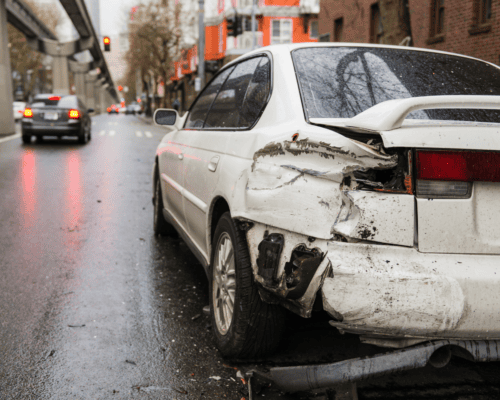
A hit-and-run accident can leave victims feeling overwhelmed. You could be facing serious injuries, mounting medical bills, vehicle damage, and uncertainty about how you will recover financially if the at-fault driver cannot be identified.
Fortunately, Georgia law provides important protections for victims of hit-and-run crashes. Your lawyer can help investigate the crash, preserve evidence, negotiate with insurance companies, and pursue every available source of compensation.
The Atlanta hit-and-run accident attorneys at Butler Prather LLP help accident victims navigate the complex legal challenges and insurance issues that often arise after serious accidents occur.
What Is a Hit-and-Run Accident?
Under Georgia hit-and-run laws, drivers who are involved in an accident must stop, provide identifying information, and render reasonable assistance to injured individuals. Leaving the scene without doing so can result in criminal penalties.
Hit-and-run accidents may involve:
- Vehicle-to-vehicle crashes
- Pedestrian accidents
- Bicycle collisions
- Parked car damage
- Highway collisions
- Motorcycle crashes
Unfortunately, many hit-and-run drivers flee because they lack insurance, they were driving under the influence, they have outstanding warrants, or they fear criminal charges. Regardless of the reason, fleeing the scene can significantly complicate injury claims for victims.
Common Hit-and-Run Scenarios in Atlanta
Atlanta’s heavy traffic, wild nightlife, and congested highways create conditions that often lead to hit-and-run accidents.
- Highway Hit-and-Run Accidents. High-speed crashes on I-285, I-75, I-85, and downtown Atlanta interstates often leave victims with catastrophic injuries. Drivers may flee quickly before victims can obtain identifying information.
- Pedestrian Hit-and-Runs. Pedestrians are especially vulnerable in hit-and-run collisions. Crosswalk accidents, parking lot crashes, and nighttime pedestrian strikes often result in severe injuries or fatalities.
- Late-Night and DUI-Related Crashes. Many hit-and-run accidents occur late at night when impaired drivers attempt to avoid DUI arrests by fleeing the scene.
- Multi-Vehicle Collisions. In chain-reaction crashes, determining which driver fled and who caused the accident can become extremely complicated.
What Should You Do After a Hit-and-Run Accident?
The actions you take immediately after the crash can significantly impact your health, safety, and ability to file a successful claim.
Call 911 Right Away
Report the accident to law enforcement as soon as possible. A police report creates official documentation and may help investigators locate the fleeing driver.
Seek Medical Attention
Even if your injuries seem minor initially, they may worsen over time. Seeking medical treatment will increase your prospects for a full recovery, and it also creates important evidence linking your injuries to the crash.
Gather Evidence at the Scene
If possible, try to collect:
- Photos of vehicle damage
- Photos of injuries
- Debris from the other vehicle
- Witness contact information
- Traffic camera locations
- Notes about the fleeing vehicle’s color, make, model, or direction of travel
Notify Your Insurance Company
You should report the crash right away. To protect your claim, avoid giving recorded statements to an insurance agent. Do not accept any settlement offers without speaking to an attorney.
Can You Still Recover Compensation if the Driver Is Never Found?
You may still recover compensation even if the hit-and-run driver is never identified. This is where UM coverage hit-and-run claims become especially important.
How Uninsured Motorist Coverage Works in Georgia
Uninsured motorist (UM) coverage helps protect drivers and passengers when the at-fault party lacks insurance or cannot be identified. In Georgia, hit-and-run drivers are often treated similarly to uninsured drivers for insurance purposes.
UM coverage may compensate victims for:
- Medical expenses
- Lost wages
- Rehabilitation costs
- Pain and suffering
- Future medical treatment
- Permanent disability
- Emotional distress
What If You Were Not Driving When the Accident Happened?
Many insurance policies extend uninsured motorist protections beyond situations where you are personally driving. A personal injury lawyer can review all available policies to identify possible coverage.
UM coverage may apply even if you were:
- Walking
- Riding a bicycle
- On a motorcycle
- Traveling as a passenger in a vehicle
- Outside your vehicle when the accident occurred
How Lawyers Investigate Hit-and-Run Accidents
Your attorney can conduct an independent investigation and pursue every opportunity to maximize your compensation.
Traffic Camera and Surveillance Footage
Atlanta intersections, businesses, parking garages, and highways may contain surveillance footage that captured the fleeing vehicle. Quick action is critical because many systems regularly overwrite this footage.
Witness Interviews
Witnesses may remember details that victims missed during the chaos of the accident. An attorney can identify and interview drivers, pedestrians, employees working at nearby businesses, and first responders.
Accident Reconstruction
In serious crashes, accident reconstruction analysis may help determine how the collision occurred and strengthen your claim. These experts can examine:
- Vehicle damage
- Skid marks
- Debris patterns
- Crash dynamics
- Impact angles
Insurance Policy Analysis
Hit-and-run claims often involve complicated insurance issues. Insurance companies do not always voluntarily disclose all available sources of compensation. A car accident lawyer can review:
- UM coverage limits
- Stacking options
- Household policies
- Employer coverage
- Passenger coverage
- Medical payment benefits
Challenges Victims Can Face in Hit-and-Run Claims
Some insurers closely scrutinize hit-and-run claims because the at-fault driver cannot provide an opposing account of the crash. An experienced hit-and-run accident lawyer can help protect victims from unfair insurance practices.
Common insurance company tactics for disputing hit-and-run claims include:
- Arguing the accident did not occur as reported
- Disputing injury severity
- Denying UM coverage
- Blaming the victim
- Delaying investigations
- Offering low settlements
Speak With an Experienced Atlanta Car Accident Attorney
After a hit-and-run accident, the attorneys at Butler Prather LLP can explain your legal rights, investigate the crash, and help you pursue the financial recovery you deserve.
We have won 10 verdicts over $100 million. Super Lawyers have recognized our attorneys for 23 consecutive years based on peer reviews and independent research.
Call (706) 322-1990 to schedule a free consultation today.
FAQs About Hit-and-Run Accidents in Atlanta
Does uninsured motorist coverage apply to hit-and-run accidents?
UM coverage hit-and-run claims commonly provide compensation when the at-fault driver leaves the scene and cannot be located. Coverage may help pay for medical bills, rehabilitation costs, lost income, and non-economic damages like emotional distress and pain and suffering.
How do I file a hit-and-run claim in Georgia?
Victims generally begin by reporting the accident to law enforcement and notifying their insurance company promptly. Because insurance companies may dispute or undervalue these claims, many hit-and-run accident victims work with an Atlanta personal injury attorney to manage their claims and negotiate compensation.
Can a pedestrian injured in a hit-and-run accident file a claim?
Yes. Pedestrians injured in hit-and-run crashes may still have legal options through uninsured motorist coverage, either under their own policy or another applicable household policy. A car accident lawyer can review available insurance coverage and investigate possible recovery options.
What types of evidence can help prove a hit-and-run claim?
Important evidence in a hit-and-run case may include surveillance footage, dashcam recordings, eyewitness statements, accident scene photos, vehicle debris, medical records, and police reports.