
What Can I Do If a Vehicle Defect Caused My Accident in Columbus?
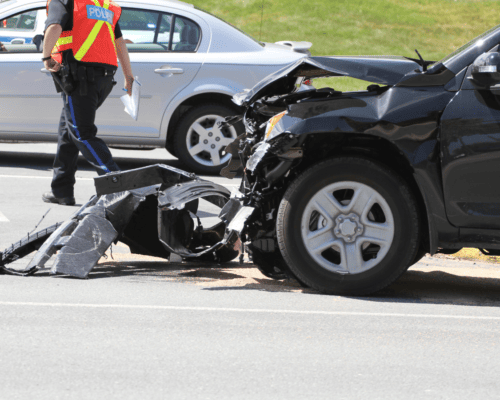
A serious crash can raise questions that go beyond the conduct of the drivers involved. A tire may fail, a roof may collapse, a fuel system may ignite, brakes may malfunction, or an airbag may fail to deploy. In those situations, the legal claim may involve the vehicle itself.
A defective vehicle case may exist even when another driver also played a role. These cases often require technical evidence, expert analysis, recall history, vehicle preservation, and manufacturer records. For that reason, a Georgia auto defect injury claim should be reviewed before the vehicle is repaired, sold, salvaged, or destroyed.
A Columbus, GA Personal Injury Lawyer can evaluate whether an injured person may have a claim against a manufacturer, distributor, or another responsible party. Butler Prather LLP offers free consultations to people injured in serious accidents and can investigate whether a vehicle defect or failure to warn contributed to the crash or worsened the injuries.
Call Buttler Prather LLP at (706) 322-1990 or (800) 242-2962 for a free consultation today.
Holding Manufacturers Liable for Dangerous Vehicle Defects in Columbus, GA Accidents
Georgia law allows you to hold a manufacturer responsible if a defective vehicle or part caused your injury. This could be due to a design flaw, a manufacturing issue, or insufficient warnings. The details depend on the part or system that failed and how it affected your accident or injuries.
Product liability regarding car defects in GA may involve systems that drivers rely on for basic safety. Tires, brakes, steering components, seatbelts, airbags, roof structures, seats, fuel systems, and electronic controls can all become part of the investigation. A defect may cause the crash itself or make the injuries more severe after impact.
Failure-to-warn vehicle defect cases in Georgia focus on what the manufacturer knew or should have known about the risk. A warning claim may allege that the company failed to notify consumers, dealers, repair facilities, or regulators of a known safety problem.
To hold a manufacturer responsible, you need to show that the defect caused the crash, made your injuries worse, or stopped a safety feature from working. Just having a problem with the car is not enough.
Failure-to-Warn Claims Focus on What the Automaker Knew About the Risk
Georgia product liability law covers more than just how a vehicle or part was designed or built. O.C.G.A. § 51-1-11 also says that a manufacturer may have to keep warning people if a danger is discovered after the product is sold. This is important in auto defect cases because safety problems can show up in crash reports, warranty claims, dealer complaints, internal tests, recall investigations, or repeated repairs.
The warning must do more than exist on paper. It should meaningfully explain the danger and give consumers or repair professionals enough information to reduce the risk. A vague, delayed, buried, or incomplete warning may leave drivers unaware of a danger until a crash happens.
Failure-to-warn cases in Georgia can involve rollovers, roof collapses, fires, brake or steering problems, suspension issues, tire defects, or safety system failures. These cases need a close look at technical records and company documents.
Automakers may argue that the driver misused the car, ignored warnings, or did not maintain it. These points matter, but they do not end the case. If normal use is still dangerous and the manufacturer knew about it, the car can still be considered defective.
Recalls, NHTSA Records, and Internal Documents Can Help Prove a Defect
Recall records and NHTSA investigations can help show that a safety issue affected a vehicle model or component. NHTSA reviews data from manufacturers, consumers, law enforcement, media reports, and other sources when evaluating possible vehicle safety defects. That information can help identify patterns that may not be obvious from a single crash.
If your vehicle or another involved vehicle had an open recall or known defect, that can help your case. A recall supports the investigation, but it does not automatically prove who is at fault. Not having a recall does not mean you do not have a claim.
Other evidence may include consumer complaints, technical service bulletins, repair records, warranty data, crash reports, expert inspections, photographs, electronic data, and the damaged vehicle itself. Internal manufacturer documents may become important in litigation because they can show when the company learned about a risk and what action it chose to take.
Preserving the vehicle is one of the most important early steps. Repairs, salvage, or disposal can make it harder for experts to inspect the relevant parts. A Columbus, GA defective vehicle attorney may send preservation letters, coordinate expert review, and identify the records needed to evaluate the defect.
Defective Vehicle Cases Can Include Crash Injuries and Enhanced Injuries
Some defects cause the crash itself. A steering failure may cause a driver to lose control. A brake malfunction may prevent a vehicle from stopping. A tire failure may lead to a rollover. An electronic defect may cause sudden acceleration, loss of power, or unexpected vehicle behavior.
Other defects cause enhanced injuries. That means the defect may not have caused the initial collision, but it made the injuries worse than they should have been. Roof crush, seatback collapse, airbag failure, seatbelt failure, and fuel-fed fires can all increase the risk of injury.
A Ford Super Duty roof crush lawsuit is one example of the type of vehicle defect litigation that may focus on crashworthiness. Crashworthiness assesses whether a vehicle protects occupants during a foreseeable collision or rollover.
If a defective vehicle caused your injuries, you may be able to recover compensation for medical care, lost income, pain, disability, and future needs. Sometimes, more than one person or company is at fault. Georgia law divides responsibility based on each party’s role in the accident.
Butler Prather LLP Has Taken on Major Automakers in High-Stakes Defect Cases
Butler Prather LLP has deep experience with serious vehicle defect litigation, including matters involving Ford Super Duty roof crush and rear gas tank Jeep issues. The firm has battled some of the largest corporations in the world and has a record of substantial results in complex litigation.
This experience is important because defective vehicle cases are complex. Automakers and insurers have teams of experts and lawyers to defend their products. You need a law firm that knows how to investigate, preserve evidence, work with experts, and go to court if needed.
Butler Prather LLP has represented clients across the country while maintaining a strong presence in Columbus. The firm combines technical litigation experience with a client-centered approach for people facing serious injuries and long-term consequences.
If a defective vehicle may have caused or worsened your crash injuries in Columbus, Butler Prather LLP can evaluate the vehicle, the records, and the evidence needed to pursue a product liability claim.
For a free consultation, call today at (706) 322-1990 or (800) 242-2962.