Georgia Personal Injury Blog
You Don’t Pay Unless We Win: How Contingency Fees Level the Playing Field for Car Accident Victims in Atlanta
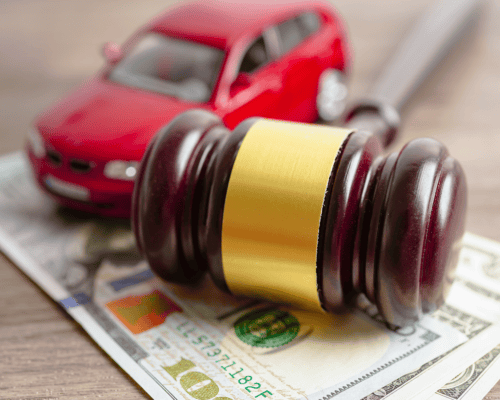
After a serious car crash, you may be wondering if you can afford to hire a lawyer, especially when you’re facing mounting medical bills, lost income, and time missed from work while you are recovering. But thanks to contingency fees, you won’t have to pay anything unless your attorney wins you compensation!
What to Do If You Own a Ford F-Series Truck With a Potential Roof-Crush Risk
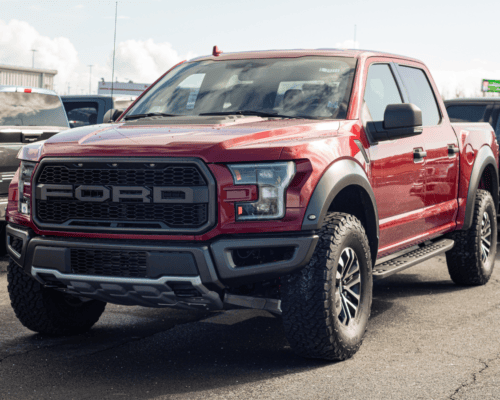
Over the years, owners and safety advocates have raised serious concerns about the structural integrity of certain Ford Super Duty truck roofs during rollover crashes. Owners who are aware of ongoing Ford truck safety concerns may wish to stay informed about investigations and litigation involving similar vehicles.
Ford Super Duty Roof Collapse: Understanding Crashworthiness Claims
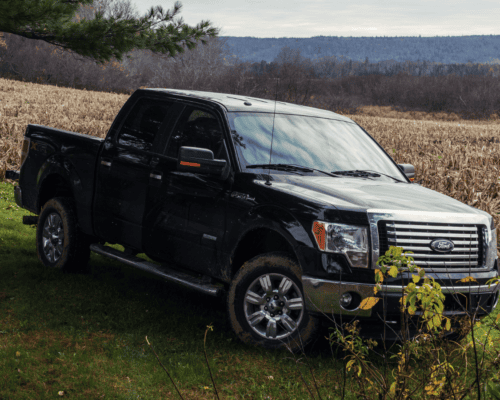
In many cases, occupants survive a rollover because the vehicle’s roof and passenger compartment maintain enough structural integrity to protect those inside. But when the roof collapses into the occupant compartment, the consequences can be devastating.
Could Proper Safety Equipment Have Prevented My Construction Fall?
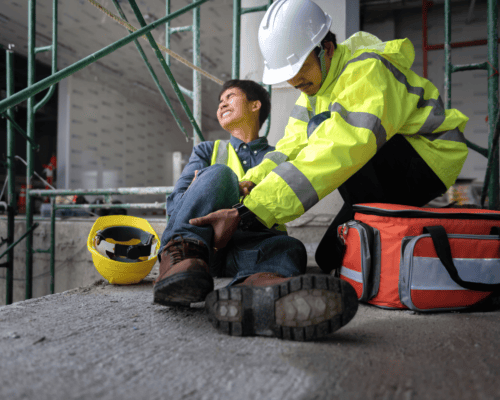
Despite advances in safety technology and strict workplace regulations, falls remain one of the leading causes of serious injuries and deaths in the construction industry. In many cases, workers suffer devastating injuries because proper fall protection equipment was missing, defective, improperly installed, or never provided at all.
Injured on an Atlanta Construction Site Without Legal Status? What Georgia Law May Allow
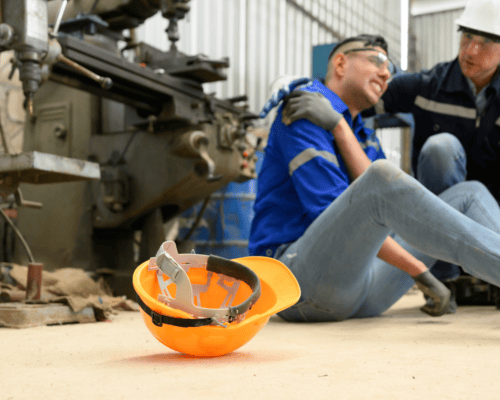
Construction workers routinely face hazards such as falls from heights, electrocutions, falling objects, trench collapses, heavy equipment accidents, and structural failures. Many of the workers performing these physically demanding jobs are undocumented immigrants, and these workers may worry about their legal rights if they are injured on a construction site.
Ford Trucks Linked to Roof-Crush Lawsuits: Is Yours on the List?
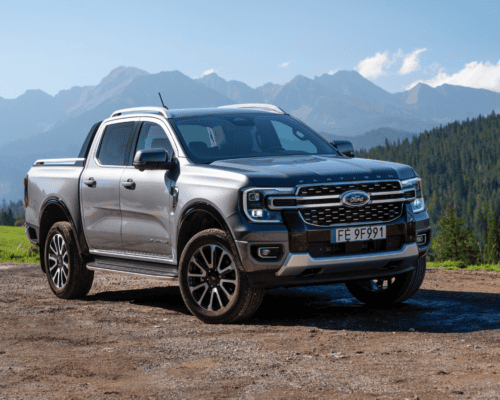
For many truck owners, safety is one of the main reasons for choosing a heavy-duty pickup. Ford Super Duty trucks have long been marketed as durable, dependable vehicles capable of handling demanding jobs and tough conditions. But over the years, certain Ford Super Duty models have become the target of litigation involving allegations that their roofs may not provide adequate protection during rollover crashes.
Injured in a Rideshare Accident in Atlanta: Should You Sue the Driver or the Company?
Whether you are heading to Hartsfield-Jackson Airport, traveling downtown after a Braves game, or commuting through Midtown traffic, Lyft and Uber offer convenience that many Georgians have come to rely on. But when a rideshare accident happens, injured victims are often left asking a difficult question: Should I sue the driver or the rideshare company?
Hurt by a Hit-and-Run Driver in Atlanta? How a Lawyer Can Help You Recover
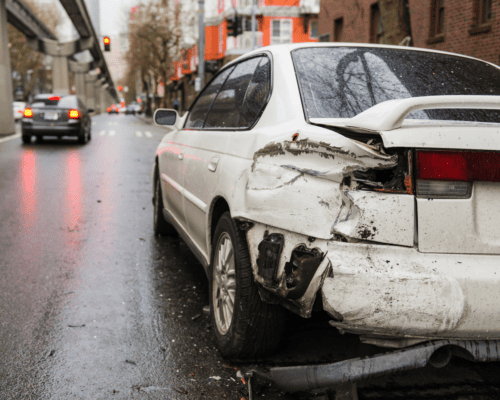
A hit-and-run accident can leave victims feeling overwhelmed. You could be facing serious injuries, mounting medical bills, vehicle damage, and uncertainty about how you will recover financially if the at-fault driver cannot be identified.
Injured as an Uber Passenger in Atlanta? What Compensation Can You Recover?
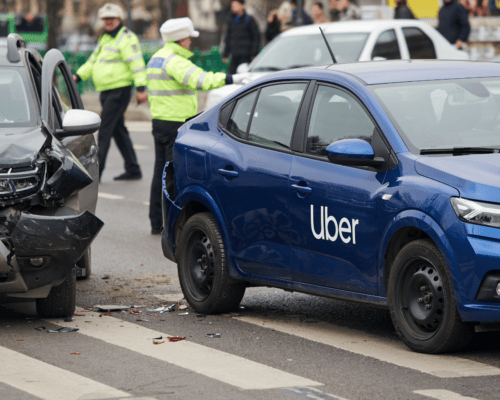
When an Uber ride ends in a serious collision, injured passengers may be left feeling overwhelmed by mounting medical bills, insurance disputes, and uncertainty about your legal rights.
What Can I Do If a Vehicle Defect Caused My Accident in Columbus?
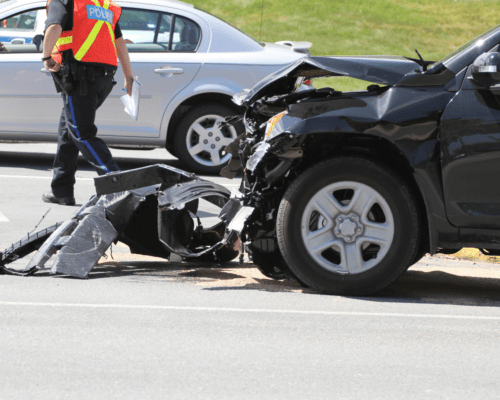
A serious crash can raise questions that go beyond the conduct of the drivers involved. A tire may fail, a roof may collapse, a fuel system may ignite, brakes may malfunction, or an airbag may fail to deploy. In those situations, the legal claim may involve the vehicle itself.