
What to Do If You Own a Ford F-Series Truck With a Potential Roof-Crush Risk
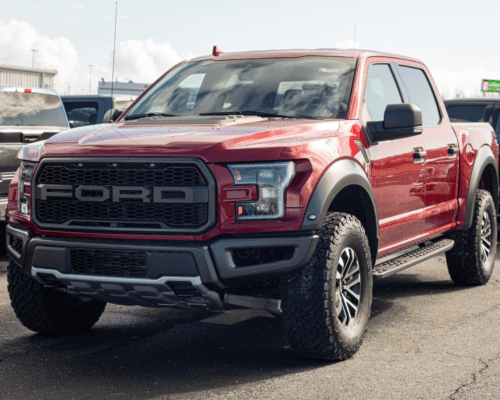
Over the years, owners and safety advocates have raised serious concerns about the structural integrity of certain Ford Super Duty truck roofs during rollover crashes. Owners who are aware of ongoing Ford truck safety concerns may wish to stay informed about investigations and litigation involving similar vehicles.
Many rollover accidents are survivable when a vehicle’s occupant compartment remains intact. But if the roof collapses into the passenger compartment during the crash, the consequences can be catastrophic. A roof-crush event may transform an otherwise survivable accident into one involving traumatic brain injuries, spinal cord injuries, paralysis, or even wrongful death.
An Atlanta auto defect attorney who is experienced in product liability litigation can help preserve critical evidence, coordinate expert inspections, identify potentially responsible parties, and build a case that is supported by engineering analysis and medical evidence.
Butler Prather LLP is a premier personal injury law firm in Savannah. We have won over $4 billion dollars in damages in lawsuits representing family members of people who were killed in devastating Ford Super Duty rollover roof-crush accidents.
Understanding Roof-Crush Injuries
Modern vehicles are expected to maintain sufficient occupant survival space during foreseeable crashes. The severity of roof-crush accident injuries often depends on whether the roof structure adequately protected those inside the vehicle.
Roof-crush accident injuries may include:
- Traumatic brain injuries (TBIs)
- Neck fractures
- Cervical spinal cord injuries
- Paralysis
- Facial fractures
- Crush injuries
- Permanent neurological damage
- Wrongful death
Vehicle Manufacturers Have a Duty to Design Crashworthy Vehicles
Vehicle manufacturers have a legal duty to design reasonably crashworthy vehicles that help protect occupants during foreseeable collisions, including rollover accidents. Manufacturers are expected to reduce unnecessary risks by designing safety systems that perform as intended.
If a design or manufacturing defect allows the roof to collapse and cause injuries that could otherwise have been avoided, the manufacturer may be legally responsible for those injuries.
What Is a Crashworthiness Claim?
A vehicle crashworthiness claim, is a type of product liability lawsuit arguing that a vehicle’s defect made the resulting injuries substantially worse. If the roof collapses into the passenger compartment because of a design defect, the occupants may suffer catastrophic head or spinal injuries that otherwise may not have occurred.
Signs That a Roof-Crush Defect May Have Contributed to Your Injuries
There are warning signs that may suggest that additional investigation is appropriate:
- Serious Head or Neck Injuries Despite Seat Belt Use. Seat belts are designed to help keep occupants inside the vehicle during a rollover. If properly restrained occupants nevertheless suffered devastating head or neck injuries because the roof collapsed into the passenger compartment, crashworthiness issues may deserve closer examination.
- Deformation of the Safety Cage. The passenger compartment is intended to preserve occupant survival space. Visible crushing or deformation of the roof pillars, roof rails, or upper cabin structure may indicate structural failure during the rollover.
- Loss of Survivable Occupant Space. One of the clearest warning signs is when the roof intrusion significantly reduces the space surrounding occupants. If the roof collapses downward into the seating area, it may increase the likelihood of catastrophic injuries during the rollover sequence
What To Do Immediately After a Serious Rollover
If you believe a roof-crush defect may have contributed to your injuries, taking the right steps after the crash can make a significant difference.
Preserve the Vehicle
The vehicle itself is often the single most important piece of evidence. Do not authorize salvage, crushing, or disposal until the vehicle has been inspected by qualified experts. Important physical evidence may be permanently lost if the truck is destroyed.
Photograph Everything
Visual evidence can be invaluable. Take photographs and videos of:
- The vehicle
- Roof damage
- Interior intrusion
- Tire marks
- Roadway conditions
- Debris
- Weather conditions
Obtain the Police Report
The official police crash report may include important information such as driver statements, witness contact information, road and weather conditions, the responding officer’s initial observations, and a diagram of how the collision occurred. This documentation can provide valuable evidence when investigating whether a roof-crush defect contributed to the severity of the injuries.
Preserve Event Data Recorder Information
Many modern vehicles contain an Event Data Recorder (EDR), sometimes called the “black box.” The EDR may capture valuable information from the moments leading up to and during the crash, including vehicle speed, seat belt use, steering inputs, braking, airbag deployment, and crash forces.
Preserving this electronic data as soon as possible can provide critical evidence when investigating whether a roof-crush defect contributed to the severity of the injuries.
Keep Complete Medical Records
Medical records play a critical role in documenting the full extent of your injuries after a rollover accident. They help establish the nature of your injuries, the treatment you have received, your anticipated future medical needs, and any permanent disabilities or long-term prognosis.
Identify Witnesses
Independent witnesses can provide valuable testimony about how the rollover occurred, the movement of the vehicle, the occupants’ positions, and the road conditions at the time of the crash. They may also describe whether they observed the roof collapse or other signs of structural failure during the accident. This firsthand testimony can help support accident reconstruction and product liability investigations.
Work With Qualified Experts
Technical analyses frequently play a central role in determining whether a defect contributed to enhanced injuries. Crashworthiness cases may rely on engineering experts who evaluate:
- Roof strength
- Structural integrity
- Crash dynamics
- Vehicle deformation
- Occupant biomechanics
- Alternative safer designs
Speak With an Experienced Ford F-Series Roof Crush Accident Lawyer
If you or a loved one suffered catastrophic or fatal injuries in a Ford F-Series rollover accident, contact Butler Prather LLP right away. The firm’s attorneys have successfully taken on some of the world’s largest corporations, and we understand the technical investigations required to prevail in crashworthiness litigation.
Our personal injury law firm has been representing injured individuals and grieving families since 1988. We have won 10 verdicts over $100 million. Super Lawyers has recognized our attorneys for 23 consecutive years based on peer reviews and independent research.
Call (706) 322-1990 to schedule a free consultation today.
FAQs About Ford F-Series Trucks and Roof Crush Accident Injuries
What is a roof-crush defect?
A roof-crush defect is a design or manufacturing flaw that allows a vehicle’s roof to collapse excessively during a rollover crash. If the roof fails to maintain survivable occupant space and contributes to more severe injuries, the manufacturer may be liable under product liability law.
What is a crashworthiness injury claim?
A crashworthiness claim argues that a vehicle defect did not cause the accident itself but made the resulting injuries significantly worse than they otherwise would have been. Even if another driver caused the rollover, a manufacturer may still be responsible if a defective roof design contributed to catastrophic injuries or death.
What injuries are commonly associated with roof-crush accidents?
When a roof collapses into the passenger compartment during a rollover, occupants may suffer traumatic brain injuries, spinal cord injuries, neck fractures, paralysis, facial injuries, or other catastrophic harm. In the most severe cases, roof-crush accidents may result in wrongful death.
What compensation may be available if a roof-crush defect contributed to my injuries?
Depending on the facts of your case, you may be able to recover compensation for medical expenses, lost income, diminished earning capacity, long-term rehabilitation costs, pain and suffering, permanent disability, and other damages. If the accident resulted in a fatality, eligible surviving family members may also be able to pursue wrongful death damages.