
Ford Super Duty Roof Collapse: Understanding Crashworthiness Claims
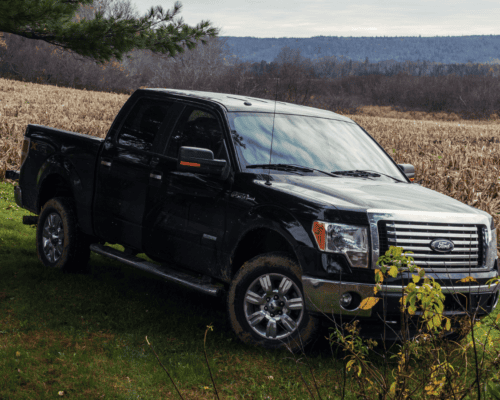
In many cases, occupants survive a rollover because the vehicle’s roof and passenger compartment maintain enough structural integrity to protect those inside. But when the roof collapses into the occupant compartment, the consequences can be devastating.
A collapsed roof can dramatically increase the risk of traumatic brain injuries, spinal cord injuries, paralysis, crush injuries, and wrongful death.
Butler Prather LLP is one of the most highly esteemed personal injury law firms in the nation. We have won over $4 billion dollars in damages in lawsuits representing family members of people who were killed in Ford Super Duty rollover roof-crush accidents.
Why Roof Integrity Matters During a Rollover
A vehicle’s roof serves a critical purpose during a rollover. Beyond simply supporting the vehicle under normal driving conditions, the roof is designed to help preserve survivable occupant space if the truck overturns.
When the roof maintains its structural integrity, occupants have a greater opportunity to avoid direct contact with collapsing metal and other structural components. But excessive roof deformation can significantly increase the severity of injuries, even when occupants are wearing seat belts.
Serious injuries associated with truck roof collapse include:
- Traumatic brain injuries (TBI)
- Spinal cord injuries
- Neck fractures
- Paralysis
- Facial fractures
- Crush injuries
- Permanent neurological impairment
- Wrongful death
Understanding Crashworthiness and the Enhanced Injury Doctrine
Under product liability law, manufacturers may be held liable when vehicle defects contribute to the severity of injuries suffered during a crash. Crashworthiness is based on the principle that vehicle manufacturers have a legal duty to design reasonably safe vehicles that protect occupants during foreseeable crashes. This is also referred to as the enhanced injury doctrine. A personal injury claim that evokes crashworthiness argues that a design or manufacturing defect made vehicle crash injuries substantially worse than they otherwise would have been.
Manufacturers are expected to design vehicles that reasonably protect occupants during foreseeable collisions, including rollover crashes. This includes designing roof structures that are capable of maintaining sufficient occupant survival space under expected crash conditions. When evidence suggests a safer alternative design was available or the vehicle’s roof was unreasonably dangerous, manufacturers may face liability.
Roof Strength and Federal Motor Vehicle Safety Laws
One important federal regulation involving roof strength is Federal Motor Vehicle Safety Standard (FMVSS) No. 216. This federal safety standard establishes minimum roof crush resistance requirements for certain passenger vehicles. The standard measures a vehicle’s ability to withstand specified compressive forces intended to simulate rollover loading conditions.
Compliance with FMVSS No. 216 does not automatically shield a manufacturer from liability. Federal safety standards establish minimum requirements; this does not necessarily reflect the safest possible design.
A manufacturer may still be held responsible if evidence shows:
- A safer alternative design was feasible
- The roof structure performed unreasonably during the rollover
- The design contributed to enhanced occupant injuries
- The vehicle presented unreasonable dangers despite regulatory compliance
Evidence Used in Roof Collapse Litigation
Crashworthiness cases are among the most technically sophisticated forms of product liability litigation. Attorneys often work closely with engineers, accident reconstruction specialists, and other experts to determine whether a roof defect contributed to catastrophic injuries.
Vehicle Preservation and Forensic Inspections
The damaged truck itself is often the most important piece of evidence.
Premature repairs, salvage, or destruction may permanently eliminate evidence necessary to evaluate structural failures.
Qualified forensic engineers can inspect:
- Roof pillars
- Roof rails
- Welds
- Structural reinforcements
- Occupant compartment deformation
- Crush patterns
Event Data Recorder (EDR) Information
Most modern vehicles contain an Event Data Recorder (EDR), commonly called the “black box.” The system may capture valuable information before and during the crash, including vehicle speed, braking, steering inputs, seat belt use, airbag deployment, and crash forces. This electronic evidence can help experts better understand the rollover sequence and evaluate how the vehicle performed during the collision.
Accident Reconstruction
Accident reconstruction findings help determine how the rollover occurred and whether the roof collapse contributed to the injuries. Specialists may analyze:
- Vehicle movement
- Roadway evidence
- Tire marks
- Impact points
- Rest positions
- Collision dynamics
Roof Crush and Structural Integrity Analysis
Structural engineers examine help determine whether the roof structure performed as reasonably expected. These evaluations consider whether the roof maintained adequate occupant survival space.
This analysis may include:
- Roof intrusion measurements
- Metal deformation
- Structural load paths
- Material failures
- Reinforcement performance
Manufacturer Crash Testing and Design Documents
These materials may provide insight into how the roof structure was developed and whether safer designs were available. Product liability litigation often involves review of:
- Internal crash testing
- Engineering studies
- Prototype evaluations
- Design specifications
- Alternative design proposals
Internal Company Communications
During discovery, attorneys may be able to obtain internal manufacturer communications. This evidence can become important in establishing whether the manufacturer was aware of potential safety issues.
These documents may include discussions of roof strength, design concerns, engineering evaluations, testing results, and proposed design modifications. They can provide important insight into how a vehicle’s roof was designed, tested, and evaluated before it reached the market.
Speak With an Experienced Ford Super Duty Roof Crush Accident Lawyer
If you or a loved one suffered catastrophic or fatal injuries in a Ford Super Duty rollover accident, Butler Prather LLP is ready to advise you about your options for seeking compensation. An experienced Atlanta Ford Super Duty roof crush lawyer can investigate whether a defective design contributed to the harm you have suffered.
Butler Prather LLP has been helping injured individuals and grieving families seek justice since 1988. We have won 10 verdicts over $100 million. Super Lawyers has recognized our attorneys for 23 consecutive years based on peer reviews and independent research.
Call (706) 322-1990 to schedule a free consultation today.
FAQs About Ford Super Duty Trucks and Vehicle Crashworthiness
What is a crashworthiness claim in a Ford Super Duty roof collapse case?
A crashworthiness claim argues that a defect in the truck’s design made accident injuries more severe. If a roof collapse contributed to catastrophic injuries that could have been reduced with a safer design, the manufacturer may be held liable under product liability law.
What is FMVSS No. 216, and why is it important?
Federal Motor Vehicle Safety Standard (FMVSS) No. 216 establishes minimum roof crush resistance requirements for certain vehicles. Although compliance with this standard is an important consideration, it does not necessarily prevent a product liability claim if evidence shows that a safer alternative design was feasible or the vehicle was otherwise unreasonably dangerous.
What evidence is important in a Ford Super Duty roof collapse lawsuit?
Important evidence may include the damaged vehicle, Event Data Recorder (EDR) information, crash scene photographs, police reports, medical records, accident reconstruction findings, structural engineering analyses, and biomechanical expert opinions. Preserving this evidence as soon as possible can be critical to evaluating whether a roof defect contributed to enhanced injuries.
What compensation may be available in a successful crashworthiness claim?
If a defective roof design contributed to your injuries, you may be able to recover compensation for medical expenses, lost wages, diminished earning capacity, long-term rehabilitation costs, pain and suffering, permanent disability, and other losses. If the accident resulted in a fatality, eligible surviving family members may also be able to pursue wrongful death damages.